
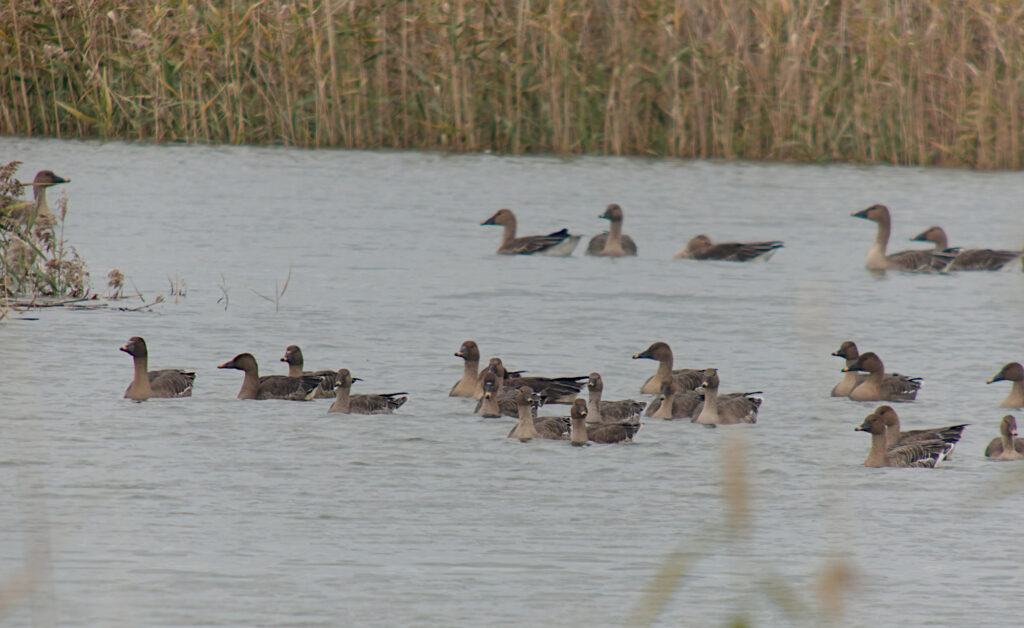
Work continues on planning for restoration of Eastern Taiga Bean Goose 큰부리큰기러기 habitat in Maekdo Eco-park, Busan City. This is an SER-Microsoft supported collaborative project being developed through our MOU with the Busan Nakdong River Project Management Office.
With sincere thanks for everyone’s work so far, here follows an abridged summary of recent project related work:
- Following the public seminar in mid-September, efforts have continued to prepare for the restoration work that will be largely undertaken in March 2026. This will provide a great opportunity for anyone wanting to learn about and to take part in actual restoration work (please let us know if you are interested in volunteering!).
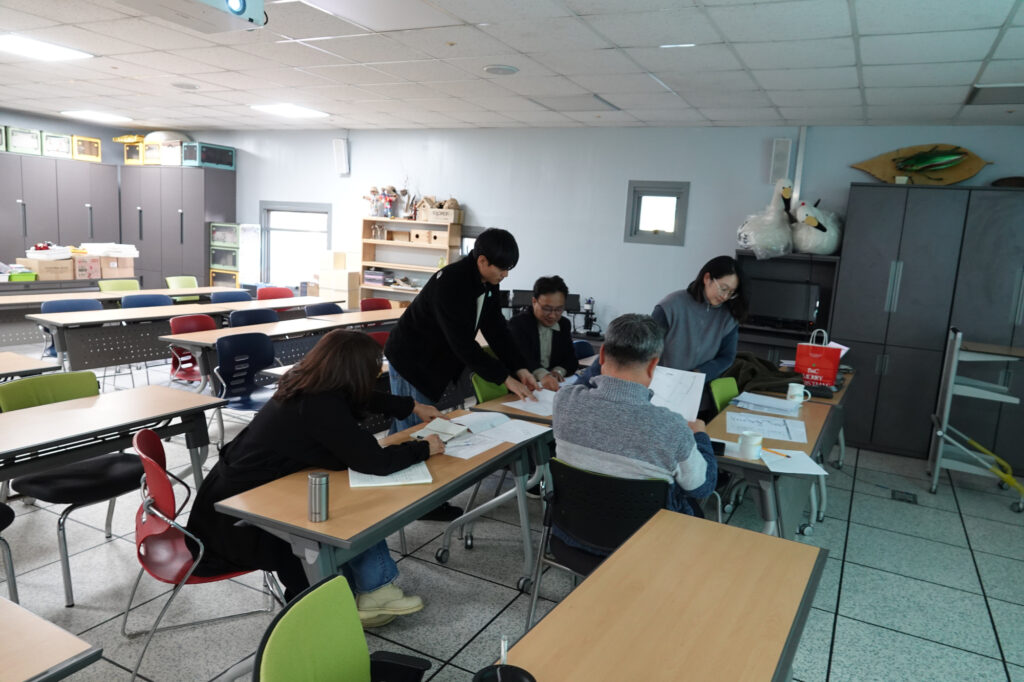
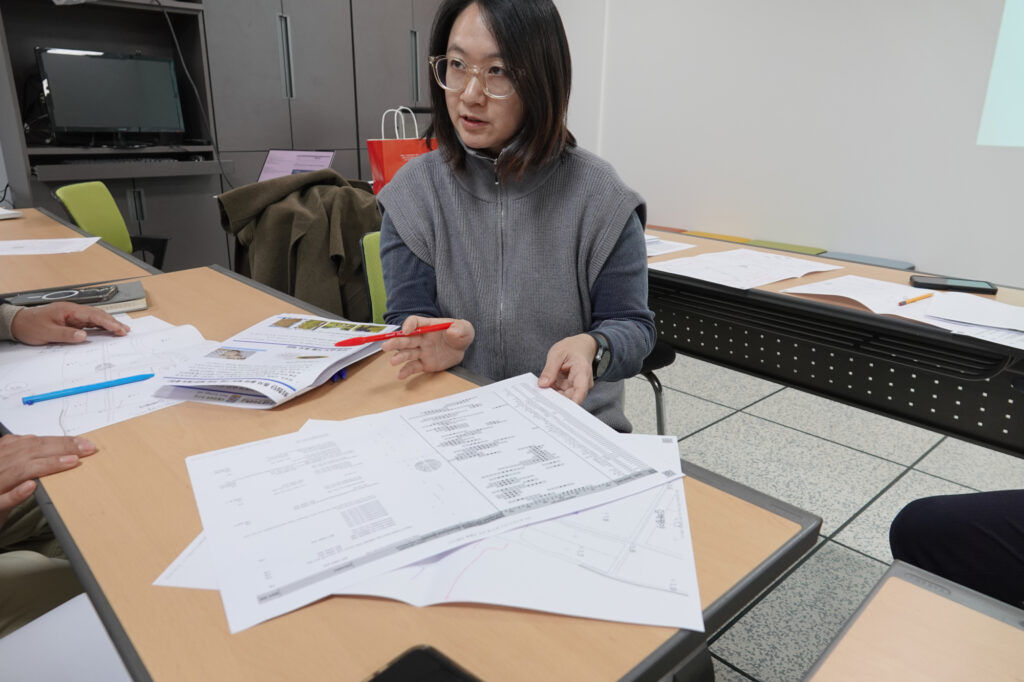
- In order to assess the effect of this conservation intervention it will be essential to gather much better information on the ways in which Eastern Taiga Bean Goose use this site and adjacent sites (including Samnak and Ulseuk Island).
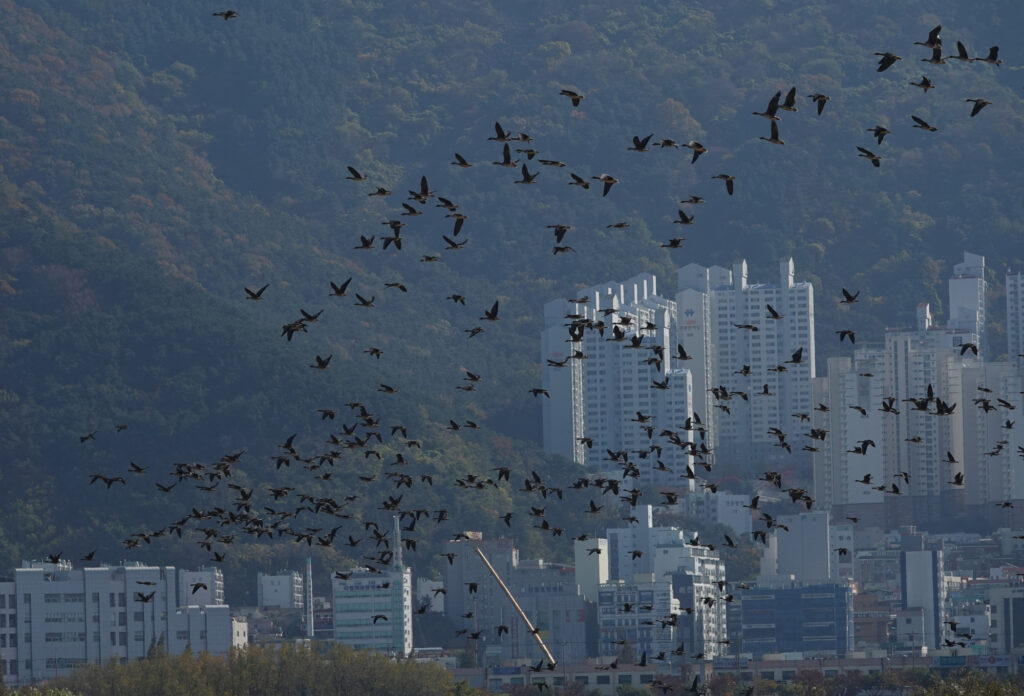
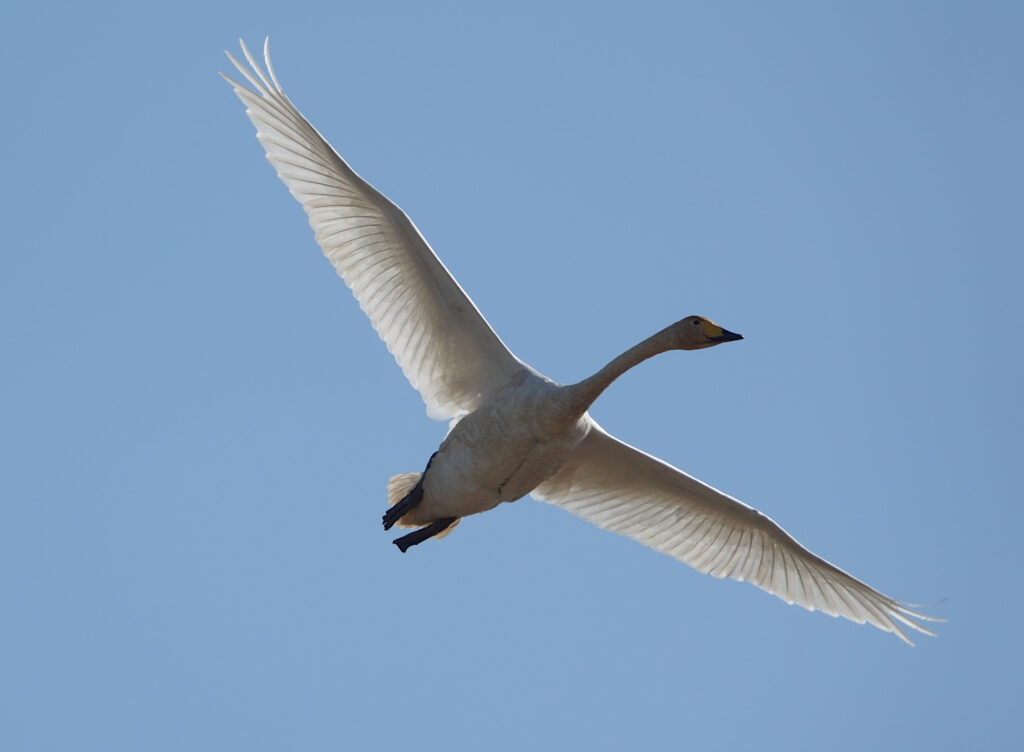
- As in recent years, the whole “Feeding Area” was cut in October, with vegetation removed. By 8th, 660 Eastern Taiga Bean Geese were using the area (apparently mostly as a pre-roost site, with many of the birds arriving from Samnak Eco-park at late dusk); and this number had increased to 782 (more than 10% of the Korea Non-Breeding population) at midday on 18th, when a single Whooper Swan was also in the field, with 150 also in the immediately adjacent lotus creek.
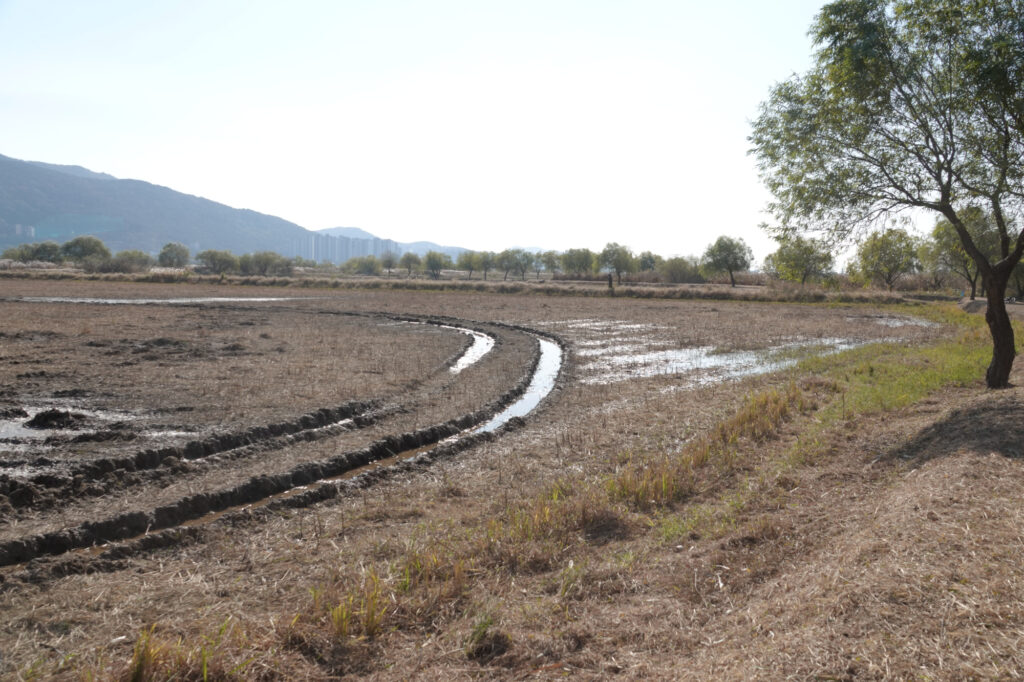
- According to the Eco-centre, artificial feeding will be resumed in the last decade of November, even though a Whooper Swan infected with HPAI was found this week in the estuary, leading to strict access restrictions to the southern part of Ulseuk Island.
- It is clear from the research conducted so far and from statements made by the Eco-centre’s Dr Lee Won-Ho, Busan’s primary ornithologist, that will be very difficult to observe geese closely at this site because they are so sensitive to disturbance.
- Through the winter, our project will therefore likely use camera traps to record details of foraging behaviour in the fields themselves in addition to direct counts and documentation on movements of birds between sites; and their responses to disturbance elements. If you live in or near Busan, and would like to join in this counting effort, please contact us/ me!